
Pocket Forests: Global Experience for Yerevan's climate
Every summer, Yerevan faces a complex of environmental problems: extreme heat, high levels of air dust, and a shortage of land for greening. In a dense urban environment, it is difficult to allocate space for new parks, so creating pocket forests can be a rational solution. This method was proposed by the Japanese botanist Akira Miyawaki, and it allows for the formation of sustainable ecosystems on small plots of land in a short time.
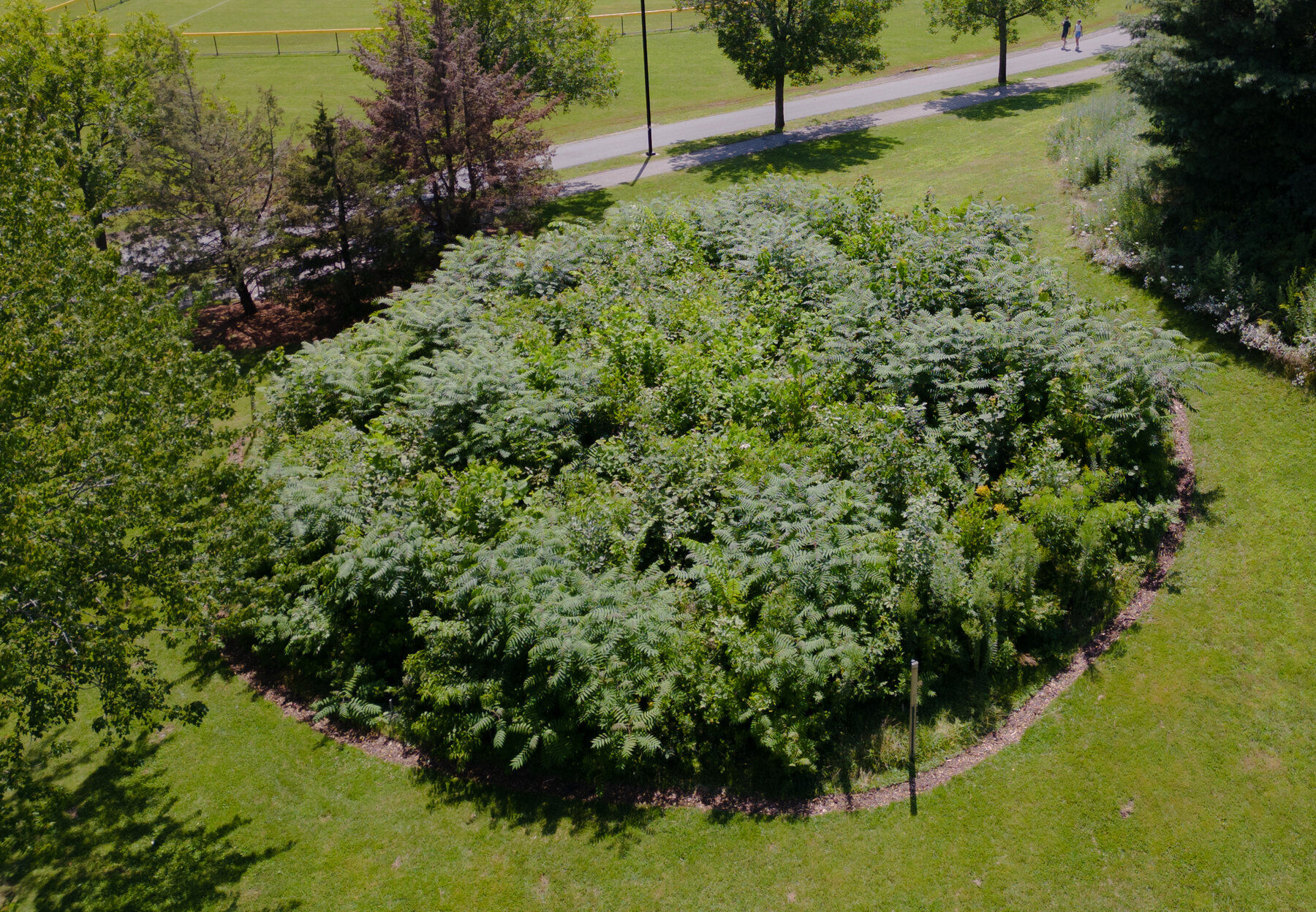
The Essence of the Technology and Community Structure
The technology is based on restoring the natural vegetation of a specific area. Plants are planted densely: from 3 to 5 plants per 1 m². The high density creates competition for light, which makes the trees grow faster, and the canopies close within two to three years. The goal of the method is to create the structure of a wild forest that functions as a single organism.
For the sustainability of the system, 30 to 50 local plant species are used, distributed across four tiers. The upper tier is formed by large trees, for example: oriental oak, ash, elm, and maple. The middle tier consists of hackberry, wild pear, rowan, cherry, and almond and similar trees. The lower tiers and the forest edge are created by shrubs: hawthorn, rosehip, dogwood, barberry, spirea, and privet. Such biodiversity increases the resistance of the plantings to diseases and pests.
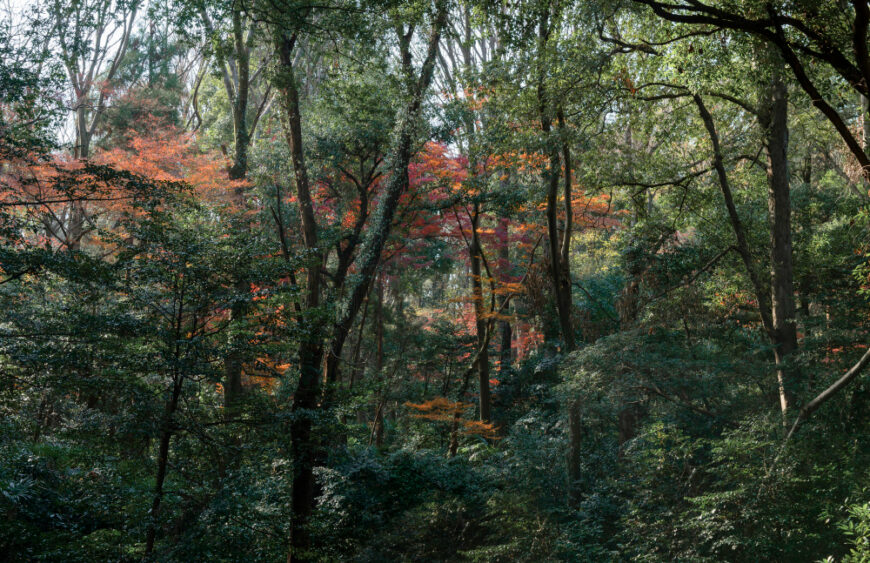
Adaptation to Yerevan's Conditions
Yerevan is located in a semi-desert zone with rocky soils, which creates difficult conditions for plants. An example of the viability of a forest ecosystem in such a climate is the Nork forest, which maintains its density without regular watering and care. This confirms the ability of a correctly selected community of local species to self-regulate.
Applying the Miyawaki method in Yerevan requires adapting the irrigation regime. The exact amount of water needed to maintain the forest in an urban environment will have to be determined empirically. World practice shows that after the establishment period (the first 2-3 years), the need for watering pocket forests is significantly reduced compared to traditional lawns and park plantings. The experiment will allow to record the exact indicators of resource savings.
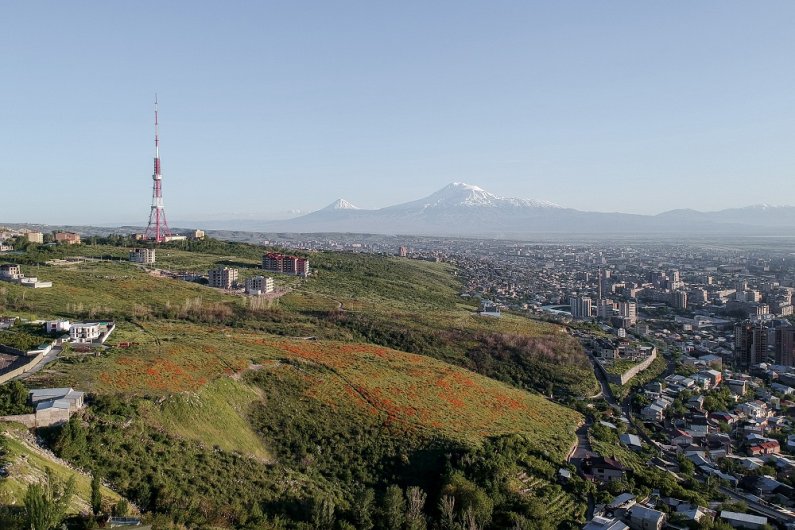
Benefits for the City
Pocket forests effectively reduce the ambient temperature. The surface temperature inside a dense planting can be 15-20 °C lower than the temperature of asphalt, and the surrounding air is cooled by 4-6 °C. The dense foliage traps dust and reduces the level of urban noise. Such green areas do not require constant budget expenditures for maintenance, as they eventually switch to an autonomous mode of existence.
Proposal for Cooperation
The Kanach Yerevan project is looking for partners to implement a pilot project. To conduct the experiment, a plot of land with an area of 30 m² to 100 m² and funding for the purchase of consumables are required: seedlings, mulch, and components for soil preparation. We are ready to provide design, scientific selection of species, and agrotechnical support for planting. Successful implementation of the project will create a precedent for scaling this practice in Armenia. Interested organizations and individuals can contact us to discuss the details.